
Quick-Serve Restaurant Marketing and Advertising
WIN THE NEIGHBORHOOD
Quick-serve restaurant owners are at the heart of IndoorMedia’s mission to empower local businesses. We deeply admire these driven entrepreneurs for their hustle, creativity, and unwavering commitment to delivering more than just fast meals. They create convenient, memorable experiences that bring communities together.
At IndoorMedia, our purpose is to fuel QSRs’ growth and long-term success. We do this by addressing every aspect of their local restaurant marketing needs with a personalized, results-driven strategy, allowing them to focus on what they do best: serving great food, fast, with heart.
Quick-Serve Restaurant Marketing Strategies That Actually Work
Most QSR owners already know their food is good. The problem isn’t quality. It’s that the family two streets over has never heard of them.
Restaurant marketing services for quick-serve restaurants work best when they meet people in their daily routine rather than chasing them down online. Register tape ads on grocery store receipts do exactly that. Your offer lands in someone’s hand while they’re already thinking about where to eat this week. That’s a different kind of attention than a social media scroll.
A few strategies worth building around:
- Loyalty programs: Repeat visits drive QSR revenue more than anything else. An SMS-based rewards system keeps regulars coming back without requiring much effort on their end or yours.
- Google Business Profile: Most people search before they drive. If your hours are wrong or you have no photos, someone else gets that customer.
- Shopping cart advertising: Same grocery store, same local shoppers, week after week. Repetition inside a neighborhood builds the kind of brand recognition that actually sticks.
- Social media: Two solid posts a week showing real food and real deals beats seven generic ones. Frequency without quality doesn’t help.
- Register tape coupons: Tangible, local, and sitting in someone’s hand at the right moment.
Trusted by 20,000+
Local Businesses
Why Marketing Is Essential for Quick-Serve Restaurants
Imagine a working professional with a hectic schedule. While they manage work, appointments, and family commitments, it becomes impossible for them to drive forty minutes to get to a restaurant, even if that restaurant serves great food. The visits can be occasional, but daily repeat orders at a distant QSR become a far-fetched reality.
People look for the closest options, the familiar ones. They are also creatures of habit. They visit places that stay constantly on their radar. Most independent QSR owners underestimate how quickly out of sight becomes out of mind in a busy neighborhood. If a competitor opens nearby and runs even a basic local campaign, some of your regulars will wander.
Online marketing for restaurants keeps you from being forgotten.
It also does something that a habit alone can’t; it reaches people who have never walked through your door. New residents move into your area every month. Families whose routines haven’t settled. People who have just started a new job nearby are still figuring out lunch spots. Without any marketing presence, none of them has a reason to choose you first.
A few things consistent local restaurant advertising actually delivers for QSRs:
- Awareness among people who don’t know you exist yet
- A reason for lapsed customers to come back
- A way to promote new items or limited-time offers before they expire
- Credibility through reviews and online visibility that new diners check before showing up
WHY WE LOVE QUICK SERVE RESTAURANT OWNERS
QSR owners are not just operators; they’re the reliable stops for busy families, the go-to spots for lunchtime favorites, and the friendly faces behind neighborhood comfort food. Whether serving burgers, tacos, sandwiches, or smoothies, these businesses are vital threads in the fabric of everyday life.
No one works harder than a restaurant owner. You wear all the hats: chef, manager, front-of-house, marketer. These owners are as varied as their restaurant concepts, and their resilience and dedication inspire us to do everything we can to help them succeed.
How to Get More Customers to Your Quick-Serve Restaurant
New customers need two things before they’ll visit somewhere for the first time: awareness and a reason.
Awareness comes from showing up where your neighborhood already spends time. Grocery store ads, local search results, and community social media all serve this function. The goal isn’t to blanket the whole city. It’s to become the obvious choice in your immediate area, the place people think of first when they’re tired and hungry and don’t want to decide.
The reason is simpler. A first-visit offer, a strong review profile, and a photo of a dish that looks genuinely good. Something that tips the decision in your favor when they’re comparing options.
Practical moves that actually bring people in:
- A first-visit discount promoted through register tape or digital ads lowers the risk of trying somewhere new
- Responding to Google reviews, good and bad, signals that real people run this place, and they care
- A visible SMS loyalty signup at the counter converts walk-ins into repeat visitors before they even leave
- Local event sponsorships or community tie-ins put your name in front of crowds who might never have passed your location
- Consistent social content with real photos builds familiarity over time without requiring a big ad budget
HOW INDOORMEDIA HELPS QUICK-SERVE RESTAURANTS THRIVE
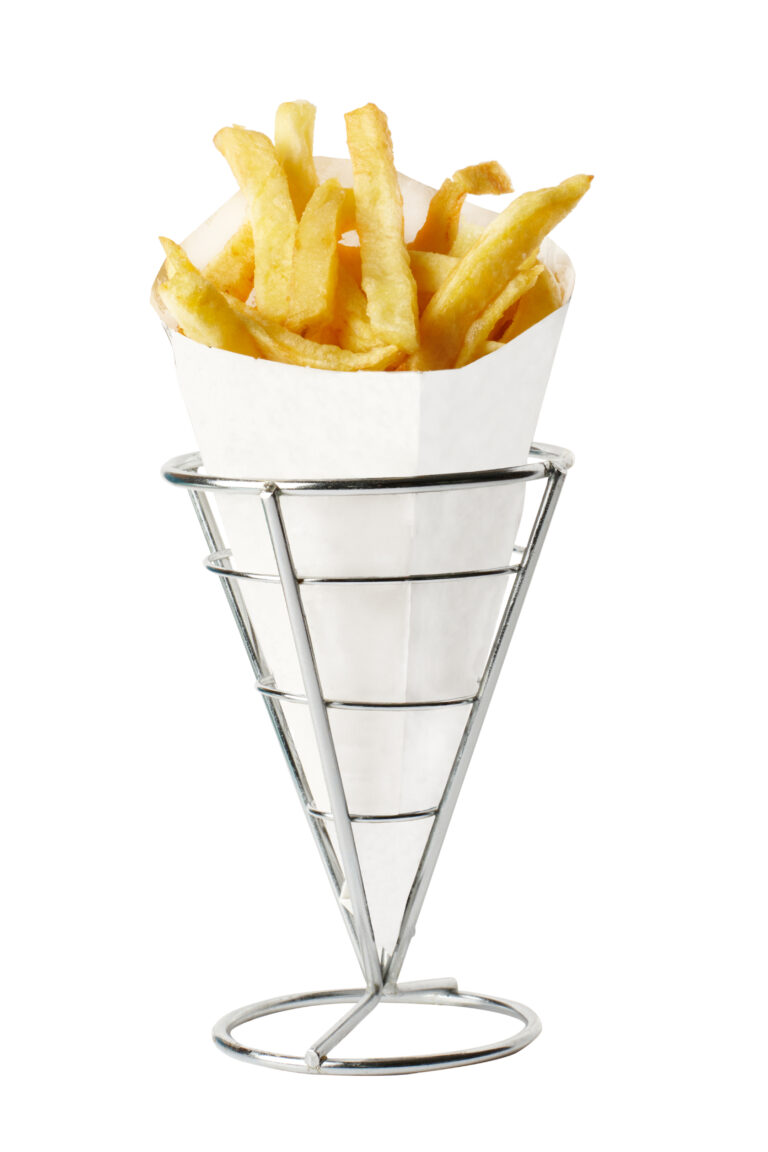
IndoorMedia offers a comprehensive suite of marketing services designed specifically for the unique needs of quick-serve restaurant owners. Our multichannel strategies help QSRs reach their ideal customers, both in-store and online, with precision, consistency, and impact. Our solutions include:
Register Tape Advertising
Put your brand in the hands of local diners. Reach thousands of nearby customers each week through ads printed directly on grocery store receipts. This hyper-local, cost-effective approach increases foot traffic and delivers measurable ROI for your QSR.
ConnectionHUB™
Your all-in-one digital marketing foundation. ConnectionHUB™ ensures your quick-serve restaurant is easy to find and trust online. We optimize your Google Business Profile, ensure local listings are accurate, and build mobile-friendly websites. Whether a customer uses Google, Siri, or Alexa, your restaurant will be front and center.
Loyalty Programs
Turn first-time visitors into lifelong regulars. LoyaltyHub from IndoorMedia keeps your guests coming back with gamified rewards, automated SMS reminders, and exclusive offers, all tailored to your brand.
Digital and Cart Advertising
Stand out where customers shop and search. From bold, branded shopping-cart ads in grocery stores to high-converting PPC campaigns with MapBoost, we make sure your QSR gets visibility where it matters most: in local neighborhoods and online search.
Social Media Content and Support
Stay top of mind with fresh, ready-to-use content. IndoorMedia, your reliable restaurant marketing agency, provides weekly social media posts tailored to your brand, helping your quick-serve restaurant maintain a consistent, engaging online presence with minimal effort.
A PARTNER
IN PROFITABILITY
At IndoorMedia, we understand that success for quick-serve restaurants goes beyond boosting foot traffic. It’s about building lasting customer relationships and driving sustainable growth. Whether it’s designing eye-catching table toppers or launching timely offers that inspire guests to visit just one more time each month, our marketing solutions work as hard as QSR owners do.
By blending innovation with proven tactics and a deep respect for the vital role QSRs play in their communities, IndoorMedia helps these businesses not just stay competitive but truly thrive. We’re not just a vendor; we’re a committed partner in every step of their journey to success.
Quick Serve Restaurants:
Diverse Models, Shared Goals
Independently Owned QSRs
Local Favorites
These restaurants are often single-location or family-run operations led by passionate local entrepreneurs. They thrive on their ability to offer:
- Unique Menus crafted to reflect local tastes and creativity
- Personalized Service that builds customer loyalty
- Deep Community Ties through sponsorships, local events, and word-of-mouth marketing
Creative Freedom
Independent owners have complete control over branding, customer experience, and daily operations, allowing them to innovate and adapt quickly.
Key Challenges
With limited marketing budgets and smaller teams, independents often rely on grassroots outreach and need efficient, targeted marketing tools to compete.
Franchise-Owned QSRs
National Brand Presence
Franchisees operate under well-known chains like McDonald’s, Subway, or Taco Bell, benefiting from the power of a recognizable brand and national restaurant advertising.
Built-In Support
Franchise systems provide proven operational models, marketing collateral, and training programs, helping new owners hit the ground running.
Operational Constraints
Franchisees must follow strict brand guidelines and often have limited flexibility with menu innovation, pricing, or marketing initiatives.
Regional Franchise Strength
Some franchises operate regionally, offering a hybrid experience: the structure and brand trust of a franchise with a more localized approach to community engagement.
How Much Does Restaurant Marketing Cost?
The range is wide. That’s the honest answer.
Register tape local restaurant advertising typically runs a few hundred dollars a month. With that spend, your offer reaches thousands of local shoppers in the grocery stores they visit every week. The cost per impression is genuinely low compared to most digital channels, and the audience is hyperlocal by design.
Shopping cart ads operate in a similar price range. The value is repetition. The same neighborhood residents see your brand during their regular grocery run, week after week, until your name feels familiar.
Restaurant online advertising costs more. A local PPC campaign in a competitive market might run $400 to $900 per month. Social media ads can start lower, around $150 to $300, when targeting is kept tight to your immediate area. The intent behind a Google search is higher than a social scroll, which is worth factoring in when you’re deciding where to put the budget.
Loyalty program platforms vary. Some charge flat monthly fees. Others work on a per-redemption model. Either way, the return tends to be strong because you’re investing in customers who already like you.
Some rough benchmarks worth knowing:
- Industry guidance for restaurant marketing spend sits around 3% to 6% of gross monthly revenue.
- A QSR doing $38,000 a month should realistically budget $1,100 to $2,300 for marketing
- A single regular customer visiting twice a month at $11 per visit is worth roughly $264 per year
- Bring in thirty new regulars from a campaign, and the math on ROI changes quickly.
NEXT STEPS
FOR QSR OWNERS
Success in QSR marketing isn’t just about promotions. It’s about visibility, trust, and keeping your brand top-of-mind. Whether you’re a new restaurant building local awareness, a national franchise strengthening community ties, or an independent spot offering something truly unique, IndoorMedia has the tools to help your business grow.
Ready for a restaurant advertising that fits your restaurant’s goals? Let’s talk about how we, at IndoorMedia, the preferred restaurant marketing company, can tailor our solutions to meet your specific needs and drive more customers through your doors.
FREQUENTLY ASKED QUESTIONS
What is the best marketing strategy for quick-serve restaurants?
There isn’t a single, fixed strategy that works like magic, as the right strategy depends on the nature of the QSR, its location, and other factors. However, a layered approach can offer good results. QSRs can start by focusing on local SEO, a stronger Google presence, and hyperlocal restaurant advertising, like register tape or cart ads. Loyalty programs are also an effective way to encourage existing customers to return without overspending.
How can I attract more customers to my quick-serve restaurant?
Target people who are closer to you, ideally within two to three miles of your location. The chances of them converting are higher than those of broad crowds. Start a local grocery store advertisement, reach out to local influencers for promotions, and offer first-visit promotions to improve conversion. SMS signup at the counter also does the job well by putting users in the pipeline.
Why is local marketing important for QSR businesses?
Local marketing aims to capture the audience closest to you because, in practice, their chances of conversion are much higher. Think about it: nobody likes to drive for miles just to grab a quick lunch. Individuals with busy schedules look for something nearby. Convenience plays just as important a role as taste. Local marketing positions you as a convenient option for the residents nearby. Additionally, such an approach saves you from spending unnecessary dollars on broad campaigning that yields little to no results.
How much should a quick-serve restaurant spend on marketing?
3% to 6% of monthly gross revenue should be an ideal spend for QSR marketing. This is simply a range; you must adjust your numbers according to your operating budget and unique requirements. Consider your competitive market and analyze data to shape your decision-making.
Do loyalty programs really help restaurants grow?
They do, and the reason is straightforward. Keeping a customer is cheaper than finding a new one. A loyalty program that nudges someone to visit one extra time per month adds real annual value per customer. SMS-based programs work particularly well because the reminder goes directly to someone’s phone rather than sitting in an email inbox they check twice a week.
How long does it take to see results from restaurant marketing?
Some tactics move fast. A register tape coupon with a short expiration date can drive foot traffic within days of distribution. Google ads during peak search hours can fill slow shifts quickly. Local restaurant marketing channels like cart advertising or social media take longer to deliver results. Give those two to four months before drawing conclusions. The restaurants that pull their campaigns too early are usually the ones that never find out they were working.