
Social Media +/vs. IndoorMedia
SCROLL-BASED VISIBILITY VS. HABIT-BASED VISIBILITY
Real estate agents hear the same advice constantly: build your brand on Instagram, post every day, boost your best content, run Facebook ads. And social media can work — there’s no denying that. But most agents eventually run into the same wall: algorithms decide who sees your content, and that decision changes without warning.
Grocery stores don’t change. Neither do the people who shop in them.
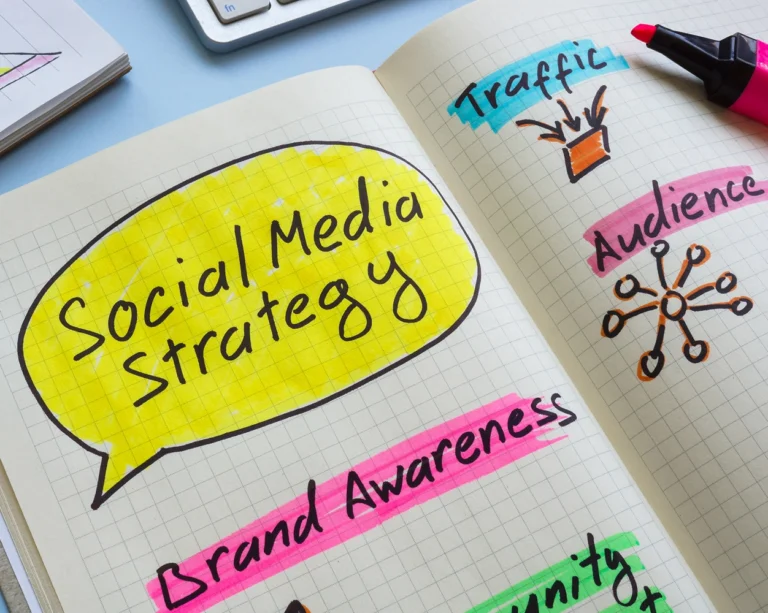
THE REALITY OF SOCIAL MEDIA FOR REAL ESTATE AGENTS
Whether you’re going organic or paid, social media advertising comes with built-in limitations that most agents don’t fully account for until they’re already invested.
On the organic side, the math is discouraging. Average Facebook organic reach for business pages sits well under 5% of total followers — meaning if you’ve built an audience of 2,000 people, fewer than 100 may actually see any given post. Instagram engagement for business accounts hovers around 0.5–1%, depending on account size. Maintaining even that requires posting multiple times per week, staying current with format trends, and adapting constantly to platform changes.
Paid social solves the reach problem, but introduces a new one: volatility. Facebook ad costs have risen significantly over the past several years, and real estate is one of the most competitive categories on the platform. Cost-per-lead in real estate can range from $20 to over $80 depending on your market and the competition in any given cycle. More critically, the moment you stop spending, visibility stops with it. Social media is powerful, but it’s rented attention.
THE HIDDEN COST OF THE CONTENT TREADMILL
Winning on social media requires more than a marketing budget. It demands constant content creation, regular video production, ongoing performance monitoring, and rapid response to comments and algorithm shifts. In practice, many agents find themselves functioning less like real estate professionals and more like part-time content creators and media buyers.
For some, that’s a natural fit. For many others, it’s a slow drain on the time and energy they’d rather spend closing deals.
HOW INDOORMEDIA WORKS DIFFERENTLY
IndoorMedia — through Cartvertising and Register Tape Advertising — doesn’t compete for attention in the scroll. It lives in something more reliable: the weekly routine.
According to the U.S. Bureau of Labor Statistics, most American households make grocery trips at least once or twice a week, making grocery stores one of the most consistently trafficked local environments in the country. That consistent traffic creates something social media can’t manufacture: predictable, repeated exposure to your name and face in the exact neighborhoods where you want to be known.
There’s no algorithm controlling who sees your ad. No bidding wars with competing agents. No content calendar to maintain. Just steady, physical visibility inside your market — week after week.
Scroll Behavior vs. Routine Behavior
| Social Media | IndoorMedia |
| Competes for attention | Integrated into weekly habits |
| Algorithm-controlled reach | Guaranteed in-store exposure |
| Requires constant content | Presence-based visibility |
| Stops when ad spend stops | Compounds with repetition |
| High distraction environment | Focused local environment |
Social media interrupts people. IndoorMedia reaches them during their routine, and routine builds familiarity.
WHY FAMILIARITY MATTERS IN REAL ESTATE
The National Association of Realtors has consistently found that most sellers choose their agent through referral or prior familiarity. People don’t hire the agent with the best Reel. They hire the agent they recognize and trust.
When your name appears regularly in neighborhood grocery stores, you’re not chasing attention — you’re building recognition. That recognition compounds over time in a way that no boosted post can replicate.
NOT EITHER/OR — FOUNDATION FIRST
Here’s what makes grocery store advertising particularly powerful for agents who are also active on social: it strengthens everything digital you’re already doing.
When someone scrolls past your ad and thinks, I’ve seen this agent around” — response rates improve, trust increases, and conversion follows. IndoorMedia functions as a recognition layer that makes your social spend work harder. It’s not a replacement for digital marketing; it’s the foundation that gives digital marketing somewhere to land.
WHO THIS WORKS BEST FOR
In short: everyone.
New agents benefit from building community familiarity while they’re still developing their digital presence. Mid-level agents can stabilize their local visibility instead of depending entirely on algorithm performance. Established agents can reduce their exposure to platform volatility and enter listing conversations with stronger name recognition already in place.
OWN YOUR ZIP CODE
There’s a difference between competing in the scroll and becoming part of the routine. Digital ads fight for attention. IndoorMedia builds familiarity inside the ZIP codes you want to dominate.
Let us show you which grocery stores are available in your market, how often shoppers will see your brand, and how this fits alongside your existing marketing strategy.
Visibility shouldn’t depend on an algorithm.